 Ragaventhra Systems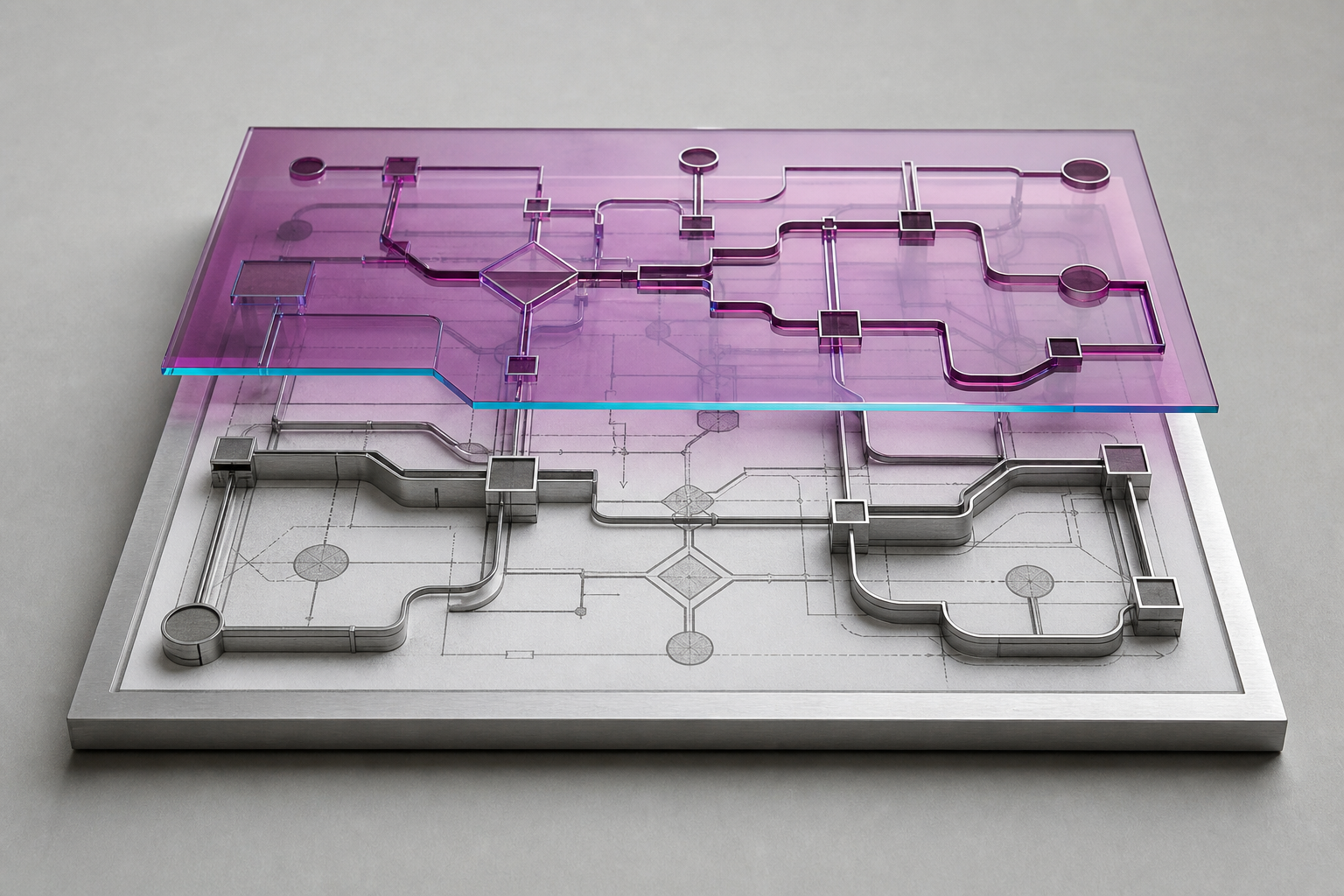
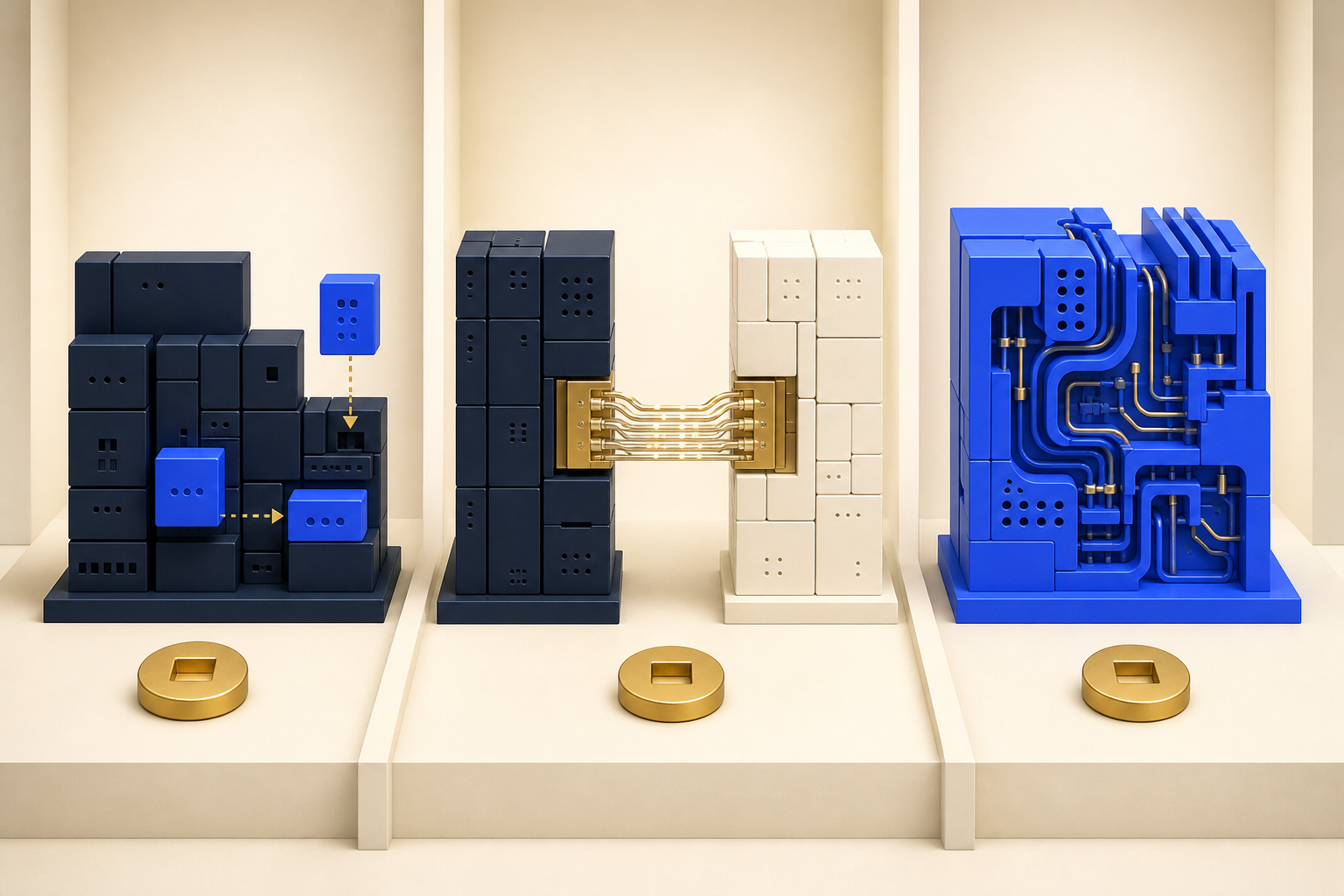
The software-first trap begins with a real problem and the wrong first question.
Leadership sees delayed reporting, missed approvals, scattered spreadsheets or inconsistent follow-up. The organisation asks which tool will fix it. Vendors demonstrate dashboards and automation, and the company begins configuring software before agreeing how the work should operate.
The result is often a digital copy of the existing ambiguity. People create workarounds, records become incomplete and leadership blames adoption.
A tool cannot resolve a workflow the organisation has not designed.
The operating model should be designed in sequence.
- Define the outcome: what must the process reliably produce?
- Assign ownership: who is accountable for the outcome and each decision?
- Map the workflow: what inputs, steps, approvals, exceptions and outputs are required?
- Define evidence: what information must exist for management and governance?
- Test manually: can the agreed process work under real conditions?
- Select or build technology: where can software reduce friction, improve control or create visibility?
Good operational software is a digital expression of the operating model.
Fields reflect information the company genuinely needs. Permissions reflect decision rights. Statuses reflect the real workflow. Notifications reflect escalation rules. Dashboards reflect governance questions.
This alignment matters whether the company uses an off-the-shelf platform, a structured spreadsheet or a custom system. The sophistication of the tool is less important than the clarity of the model it represents.
Questions before selecting software
- Is there an agreed process owner?
- Are the workflow and exception paths explicit?
- Does leadership agree on the information required for decisions?
- Has the process been tested with the people who will use it?
- What specific friction or control gap should technology resolve?
- Who will govern the system after implementation?
If these questions cannot be answered, the next step is process architecture—not procurement.
Research base
This insight combines Ragaventhra Systems’ operating-architecture methodology with external evidence. Sources are used within their original scope and are not presented as promised client outcomes.